A Quick Guide to Mordanting Fabric for Botanical Printing and Natural Dyeing
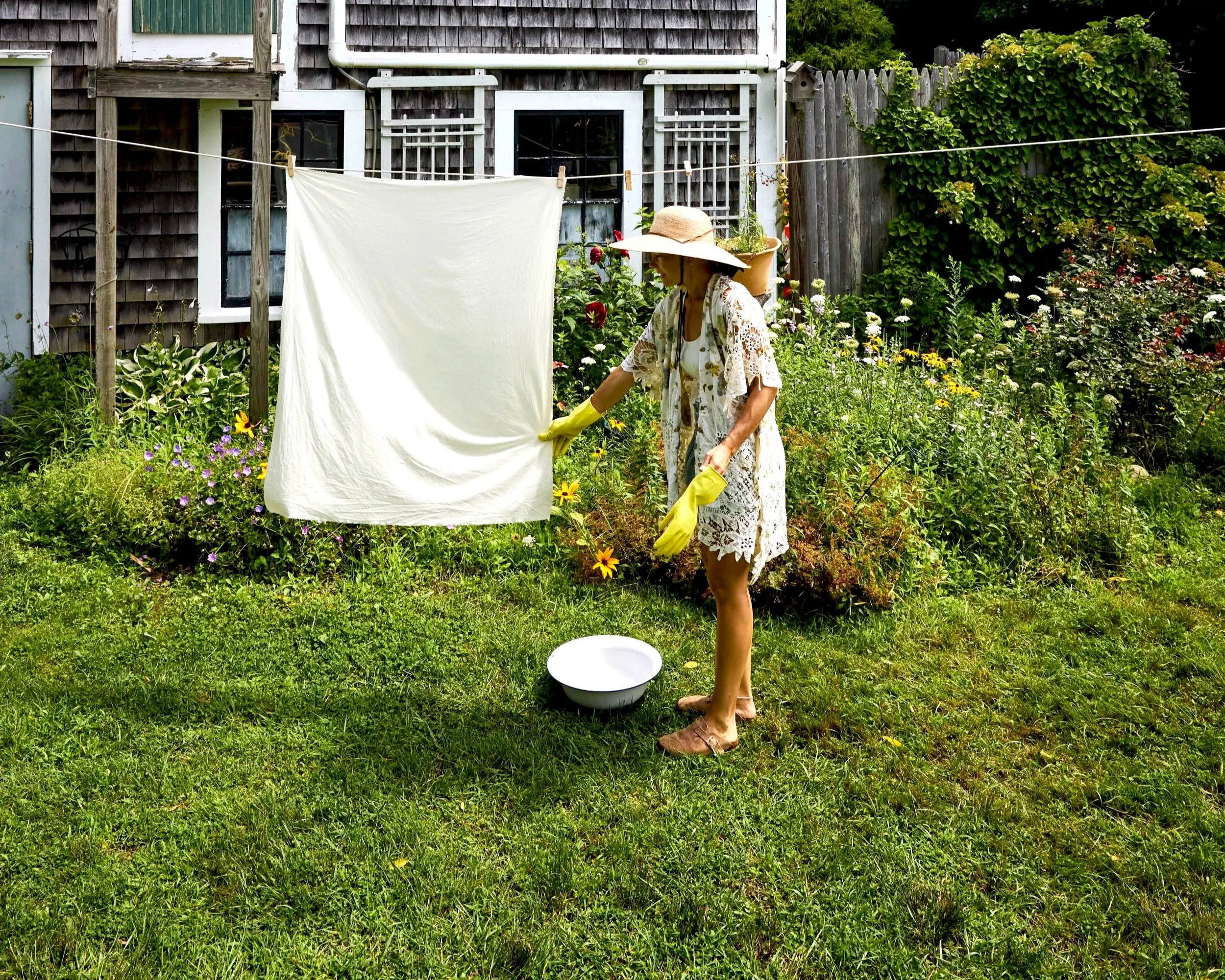
Purpose:
Mordanting prepares silk fibers to bond with natural dyes, ensuring deeper, longer-lasting color and better definition in botanical prints.
The Classic Alum Mordant: Potassium aluminum sulfate
Potassium aluminum sulfate, commonly called alum, is one of the most traditional and versatile mordants used in natural dyeing. It works beautifully on protein fibers like silk and wool, and can also be used on plant-based fabrics when paired with tannin. Alum helps dyes bond securely to fibers, giving you clear, lasting color without harsh chemicals.
A Bit of History
Alum has been used for thousands of years—from ancient Egypt and Greece to Renaissance textile workshops. Its gentle yet effective action made it the go-to mordant for silk, wool, and fine fabrics. Even today, it remains a favorite among natural dyers for its safety and reliability.
What It Is
A double salt made of aluminum and potassium sulfate, found naturally as the mineral alunite and refined for dyeing use.
Why It’s Great
Ideal for protein fibers (silk, wool, mohair, alpaca)
Safe, non-toxic, and easy to handle
Produces bright, even colors with good wash and light fastness
Works in combination with tannin for cellulose fibers
Readily available and affordable for studio or home use
Safety
Wear gloves when handling powders
Avoid inhaling—use a mask if working with dry alum
Store in a dry place, away from children and pets
Sourcing
Sold as a fine crystalline powder for dyeing and textile work; look for “alum mordant” or “potassium aluminum sulfate” from trusted dye suppliers.
How to Use
Pre-wash (SCOUR) fabric or fiber to remove any oils or finishes.
Prepare the bath: dissolve alum at 10–15% WOF (weight of fiber) in hot water.
Fill your pot with enough warm water to cover the fibers.
Add the dissolved alum and stir well.
Add fibers: place pre-wetted materials into the mordant bath.
Heat gently: keep temperature around 160–180°F (70–80°C) for about an hour.
Allow to cool in the bath or let sit overnight for deeper penetration.
Rinse in cool water and air dry.
Fibers are now ready for dyeing.
Alum offers the perfect balance of tradition, safety, and brilliance—making it a staple in every natural dyer’s toolkit.
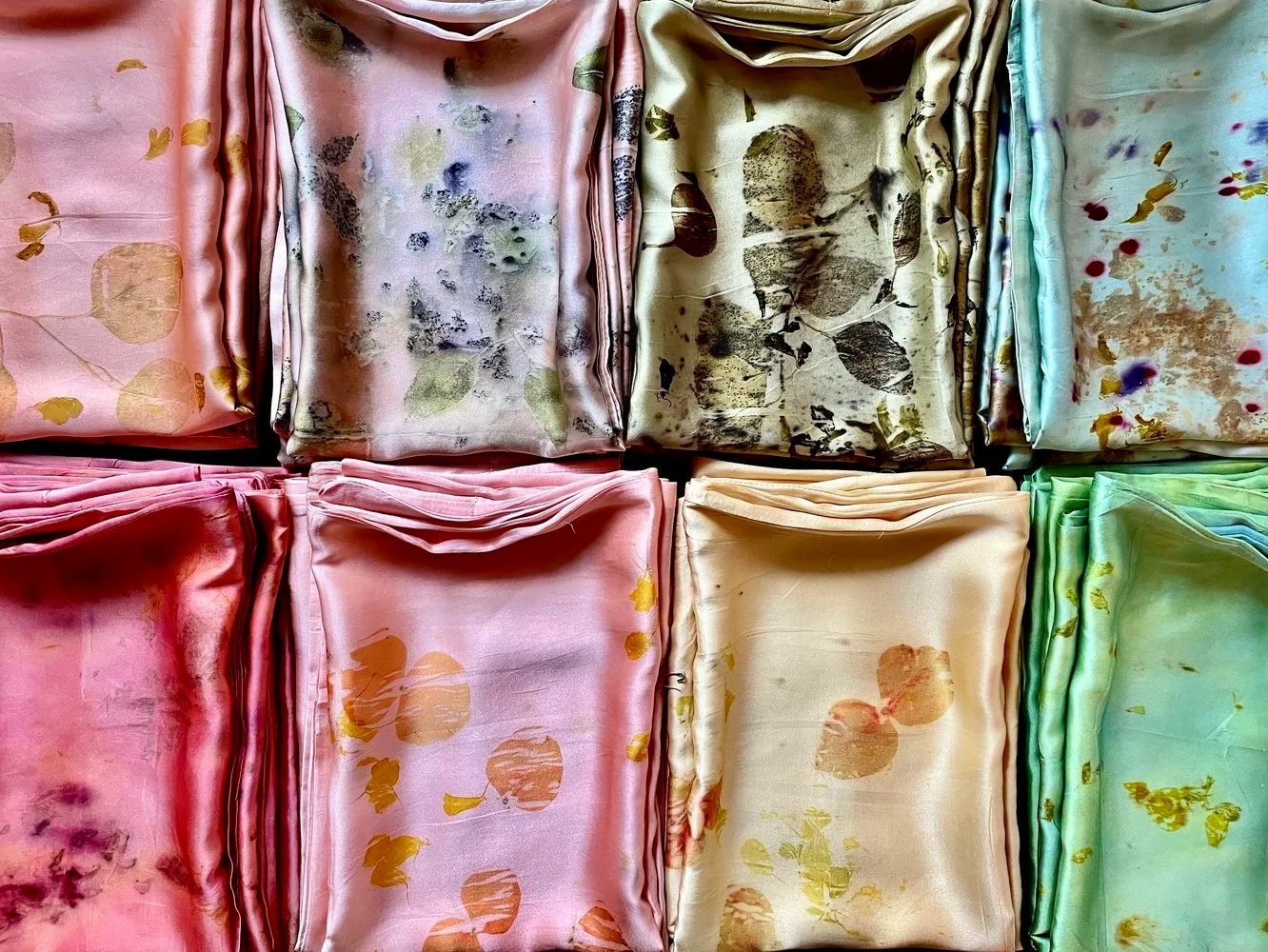
Silk charmeuse pillowcases mordanted in PAS and overdyed with natural dyes— then botanically printed with plants. Learn this technqiue in my new monthly subscription studio!
ALUMINUM ACETATE MORDANT
Aluminum acetate is one of the best mordants for natural fibers like cotton, linen, and hemp and you can use it on silk. It bonds tightly to plant fibers, helping dyes stick better and last longer through washing and sunlight. You can use it on its own or combine it with a tannin mordant for extra-bright, durable colors on cellulose fabrics.
What It Is
A crystalline salt made from aluminum and acetic acid.
Why It’s Great
Works beautifully on cellulose fibers (cotton, linen, hemp, viscose, Tencel)
Produces clear, luminous colors—especially yellows and reds
Creates a stronger bond than alum alone
While you can make it at home by mixing alum, washing soda, and vinegar, the pre-made crystalline version is much more reliable and easy to use
Safety
Always wear gloves and protective clothing
Avoid breathing in the powder—use a dust mask if needed
Can irritate skin and eyes—handle with care
How to Use
Scour your fabric: Wash in warm water with a small amount of neutral soap (like Orvus or a gentle castile). Rinse thoroughly to remove oils and sericin residues.
Dissolve 10–15% WOF (weight of fiber) in warm water.
Add to a pot of hot water to create your mordant bath.
Submerge pre-wetted fibers.
Maintain the temperature at 160–180°F (70–80°C) for about one hour.
(Optional) Let soak overnight for richer color uptake.
Rinse well in cool water.
Your fibers are now ready to dye and/or print with.

My eco-printed designs on organic cotton for Pottery Barn— Cellulose fibers require a bit more finesse to readily absorb natural dyes. Check out my course below to obstain stunning imprints from plants with these innovative techniques.
DIVE IN DEEPER WITH ME THIS SPRING with live sessions and in-depth tutorials in the botanical atelier monthly subscription!
Prefer to move more intuitively? You’re warmly invited to join the Atelier as a monthly studio—moving at your own pace, exploring botanical printing in a way that feels open, creative, and easeful. Each month offers space to create something meaningful, whether that’s a single piece or the naturally dyed kaftan you’ve been dreaming of. This is a monthly subscription, and you’re free to cancel anytime. An introductory rate is currently available, and will shift to $65/month after April 20.
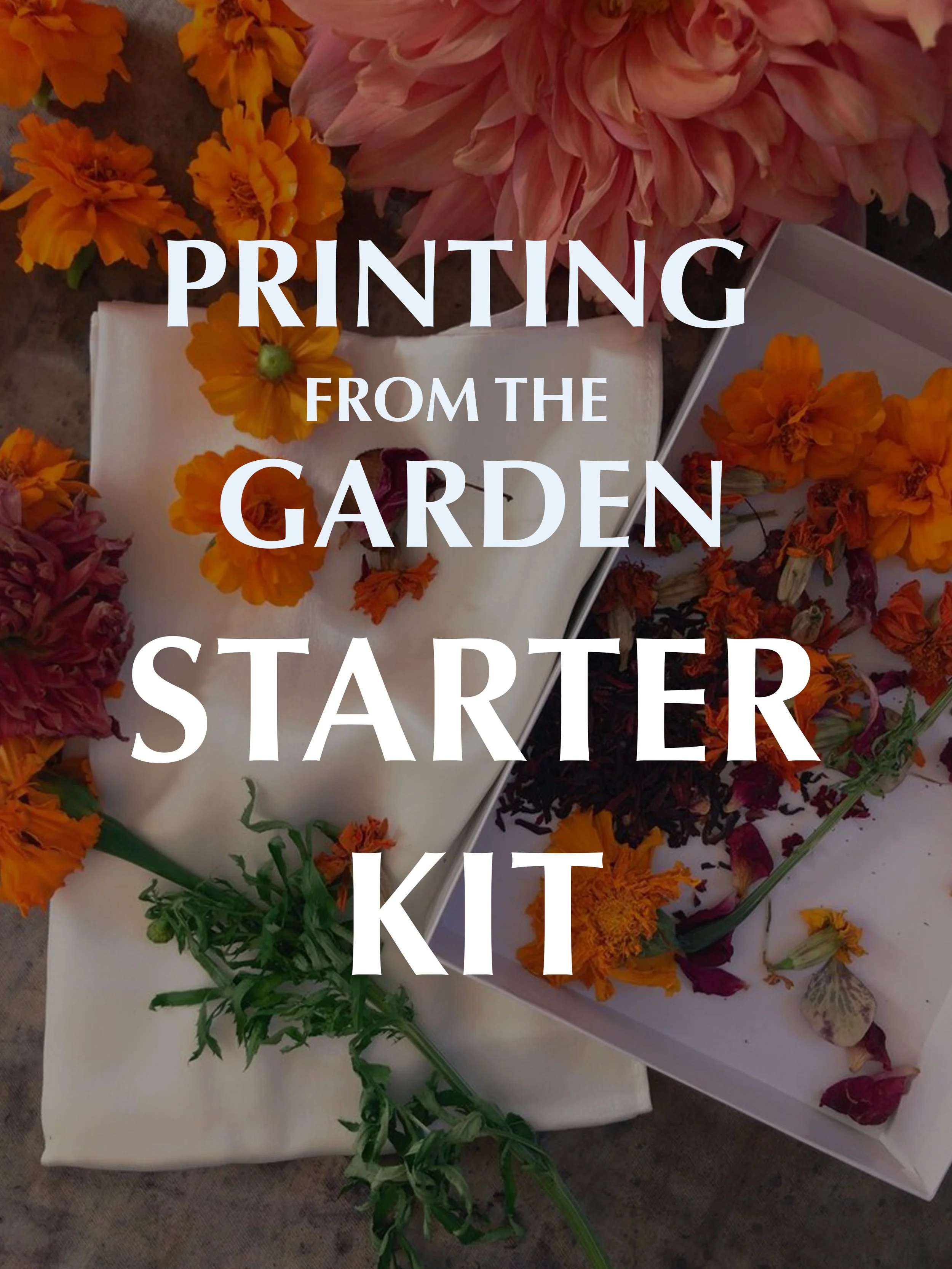
Bring the pages of Printing from the Garden to life with this thoughtfully curated Starter Kit, designed to help you practice botanical printing with confidence and ease.
This kit includes a fine selection of my favorite silk fabrics which are prominently featured in the book— perfectly sized for experimenting. These are quietly luxurious fibers that soak up plant pigment beautifully.
Pre-measured selections of mordant ingredients to prepare fabric and paper for printing, so you can focus on the creative process—not the math and measuring.
Whether you’re new to botanical printing or want a guided way to refine your technique, this kit removes the guesswork and invites you straight into making. See additional details below.
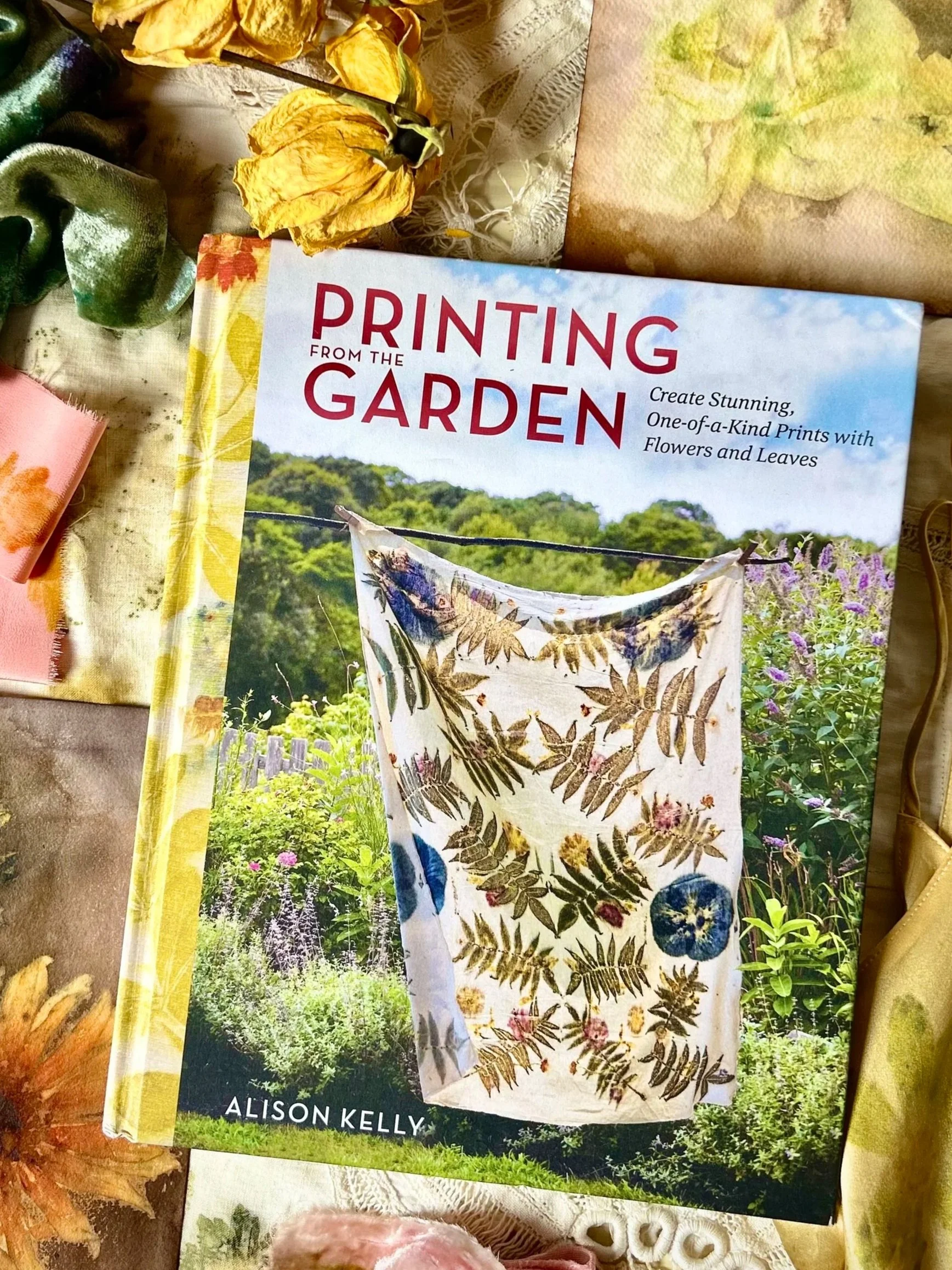
Order a signed copy of Printing from the Garden, my comprehensive botanical printing book and natural dyeing guide.
This beautifully illustrated eco printing book teaches how to create one-of-a-kind prints using flowers and leaves, featuring step-by-step instruction and a compendium of 30 plants documenting their stunning effects on fabric and paper.