
FLORA OBSCURA OPEN STUDIO:
Notes, experiments,
& knowledge
from THE atelier
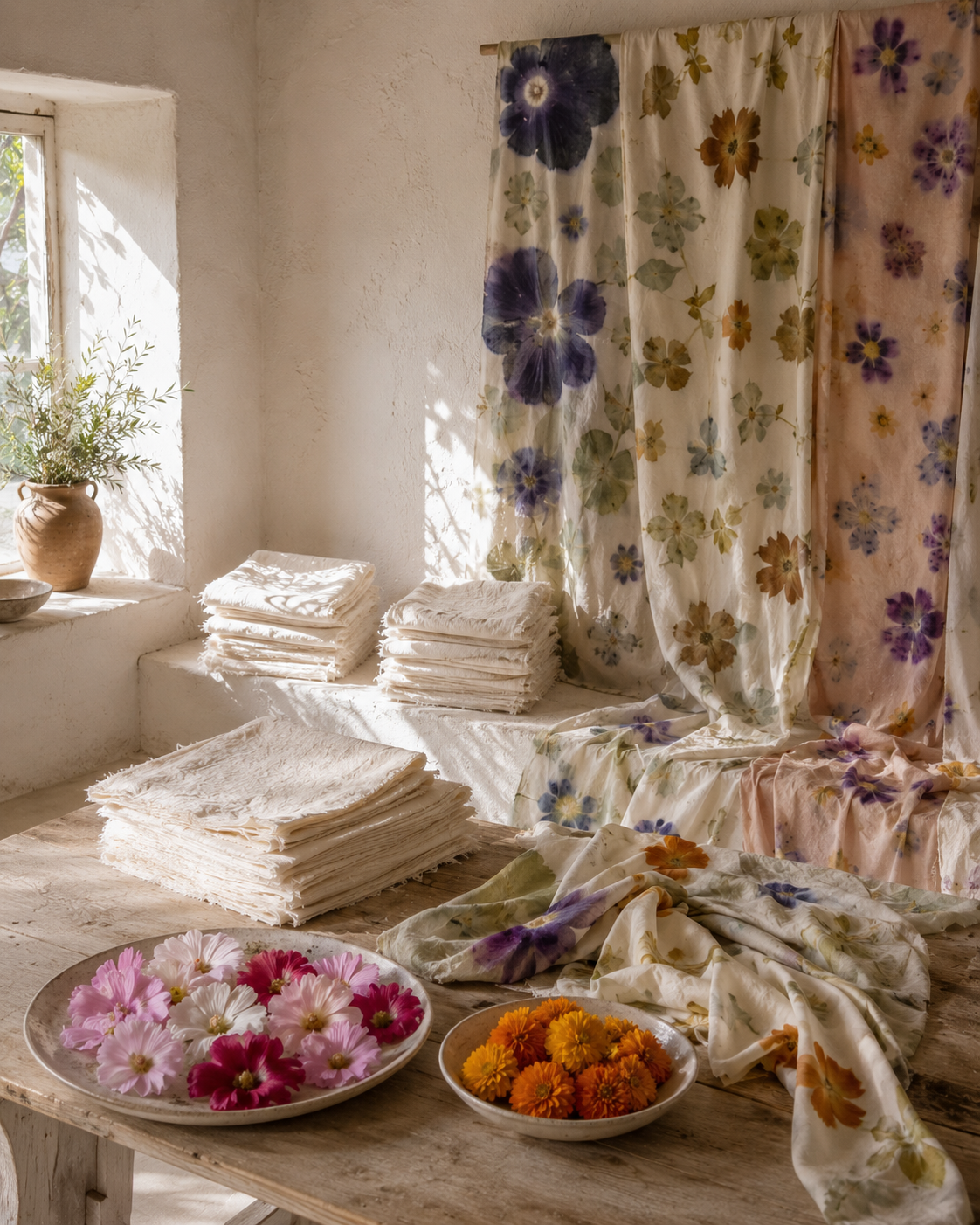
Welcome to the Flora Obscura Open Studio—an open corner of the atelier devoted to learning, experimentation, and the first steps into botanical printing.
Here, you’ll find a growing collection of free resources for beginner botanical printers: foundational guides, material lists, simple techniques, and thoughtful insights drawn from my studio practice. From understanding natural fibers and mordants to working with leaves, flowers, and pigment, each offering is designed to help you begin with clarity and confidence.
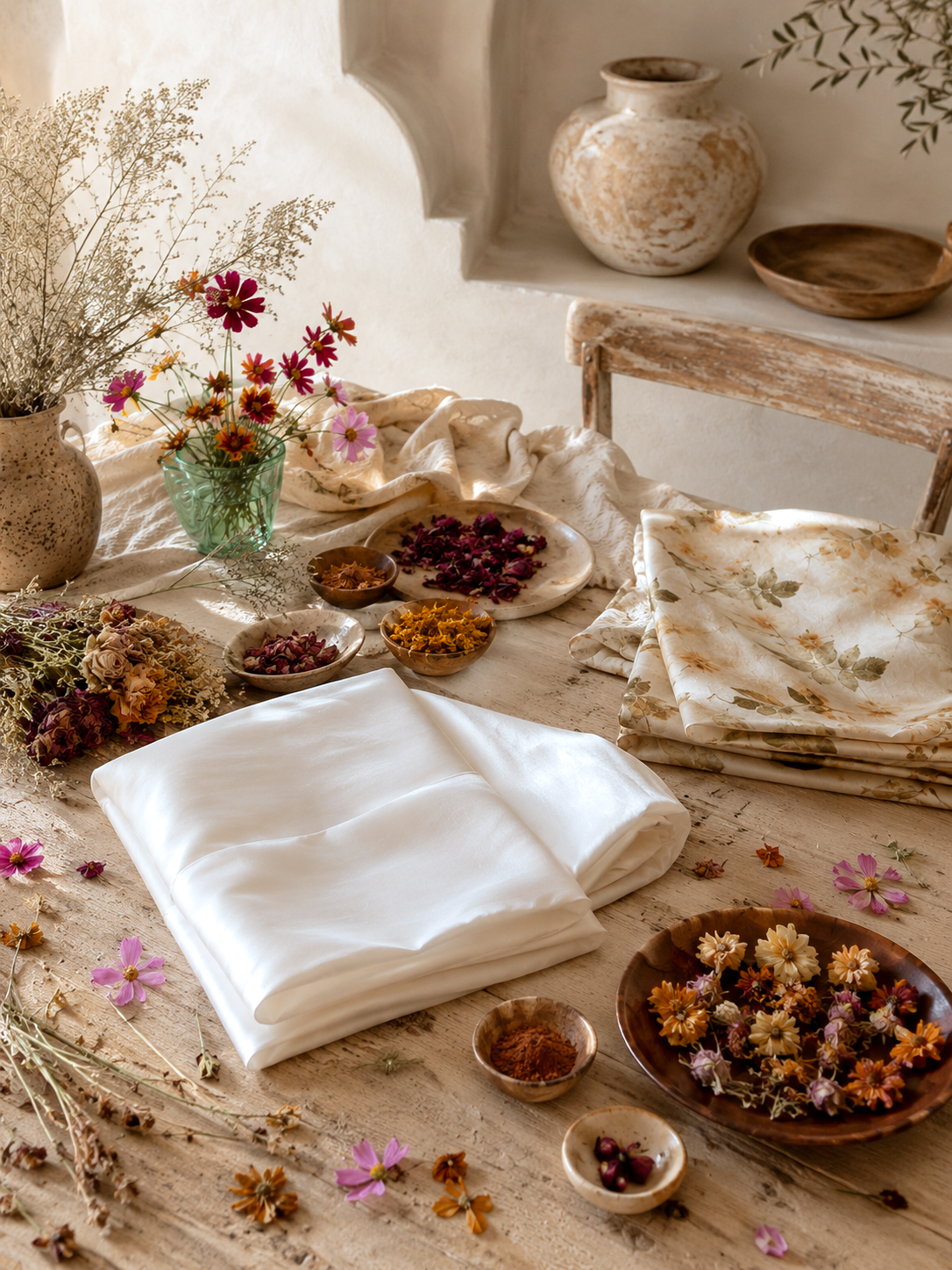
Bundle dyeing 101 — how to bundle dye with plants on fabric
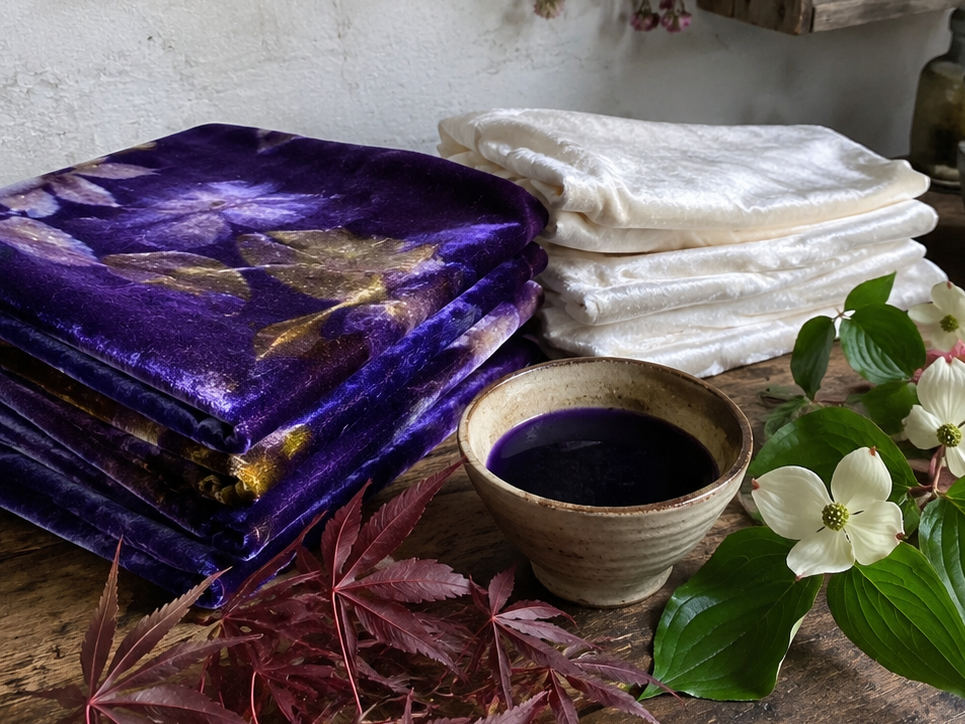
Creating Inky Backgrounds with a Dye-Soaked Carrier Blanket— LOGWOOD
A dye-soaked carrier blanket is a simple way to create rich, atmospheric backgrounds.
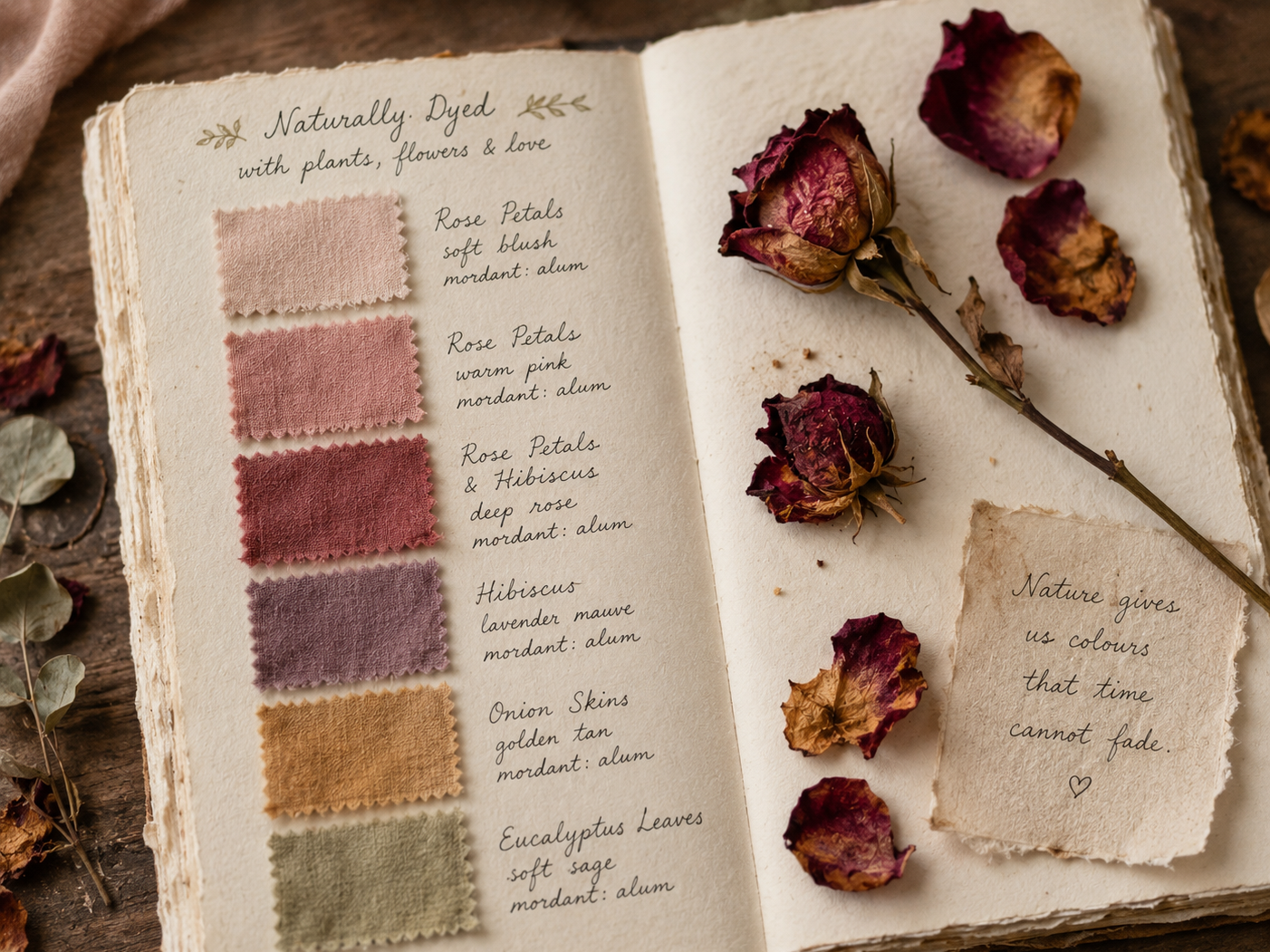
HOW TO MORDANT COTTON, SILK, WOOL, LINEN, RAYON— A FREE GUIDE TO NATURAL DYEING
To prepare fabric for natural dyeing, first wash and scour the fabric to remove oils, waxes, and residues.
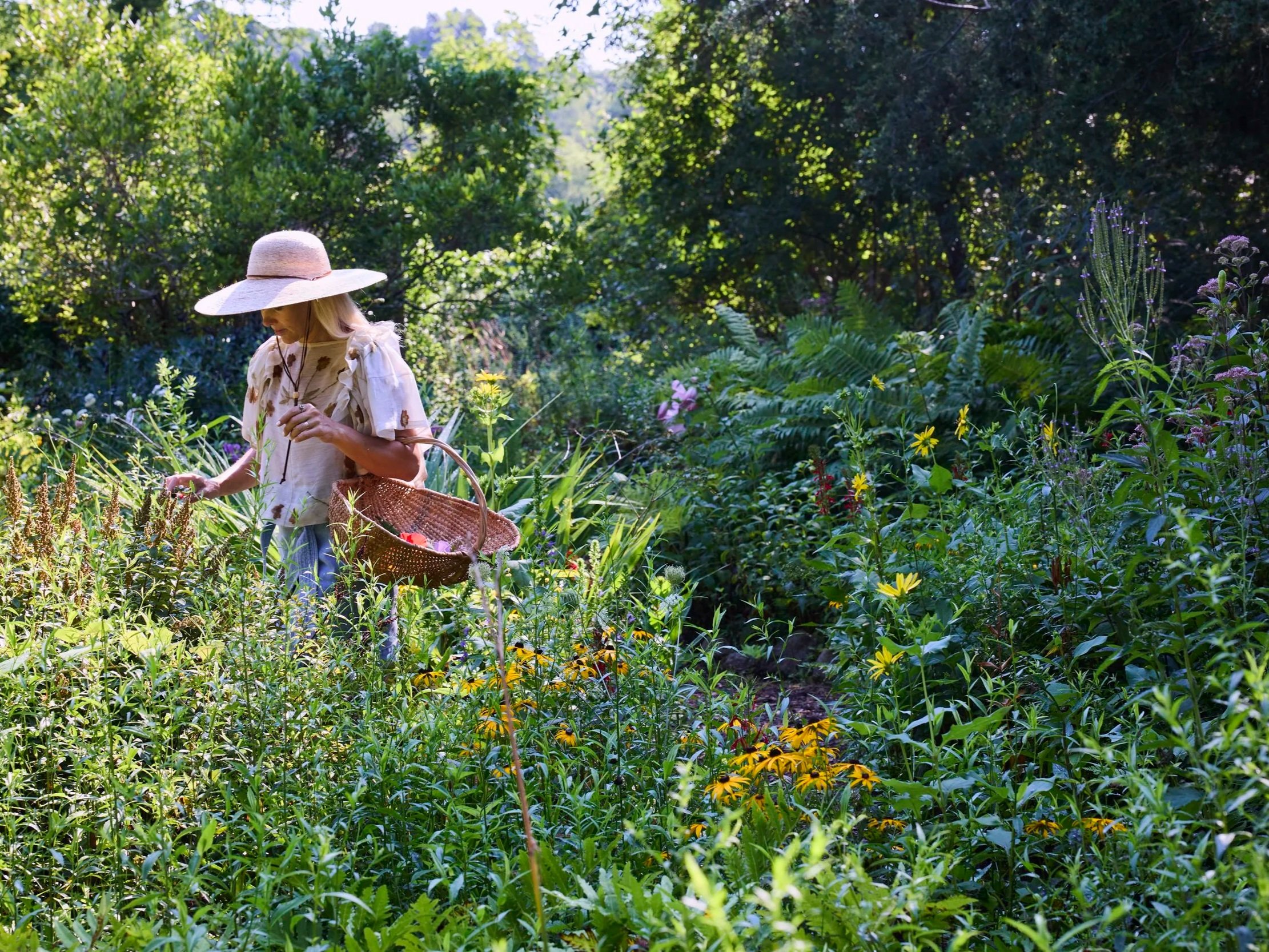
Planting a Dye Garden for Botanical Printing + Natural Color
Learn how to plant a natural dye garden with flowers and plants for botanical printing. Grow your own color with this beginner-friendly guide.
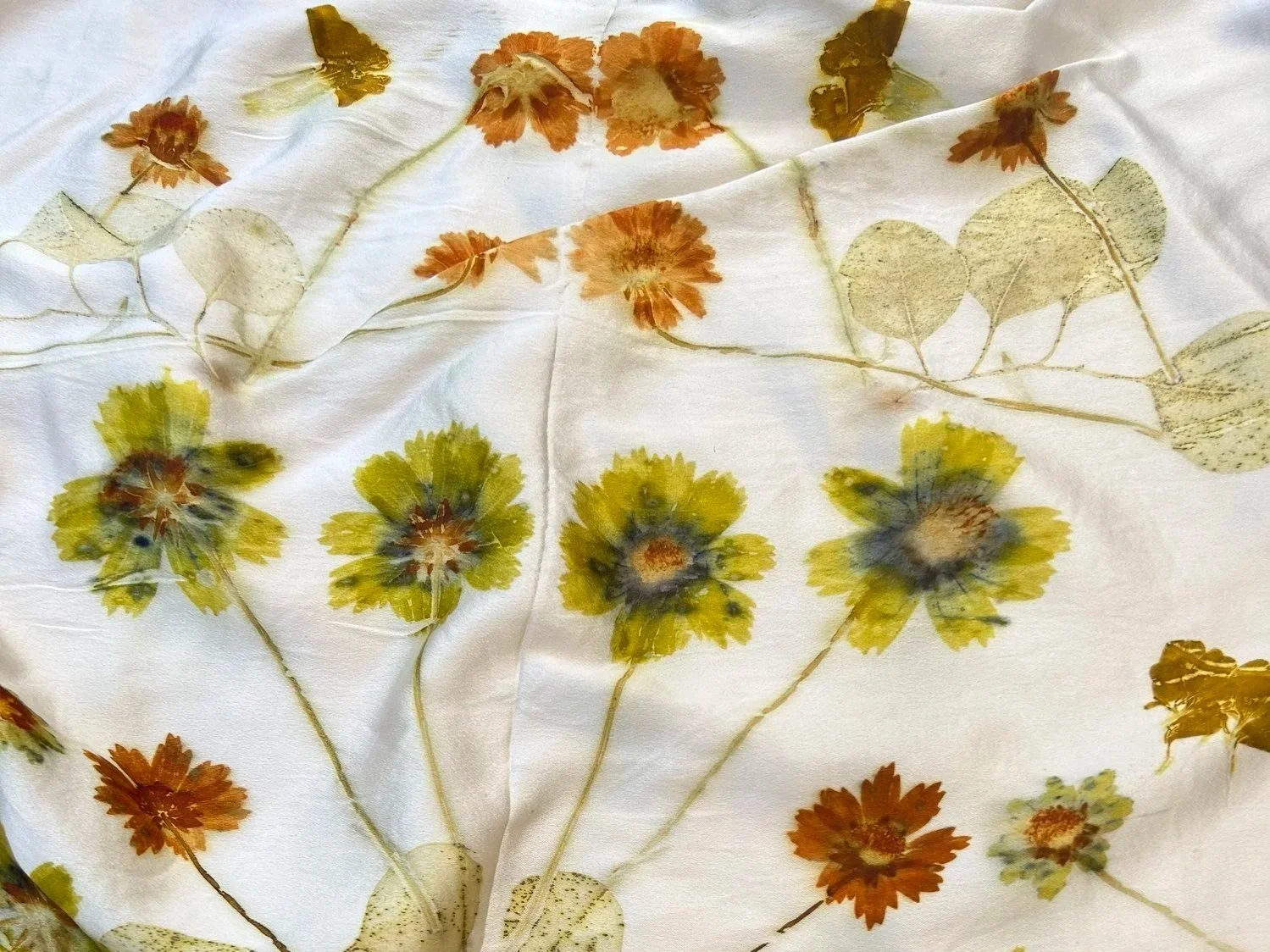
A Quick Guide to Mordanting Fabric for Botanical Printing and Natural Dyeing
How to prepare silk for natural dyeing and botanical contact printing— a simple and efficient alum mordant.
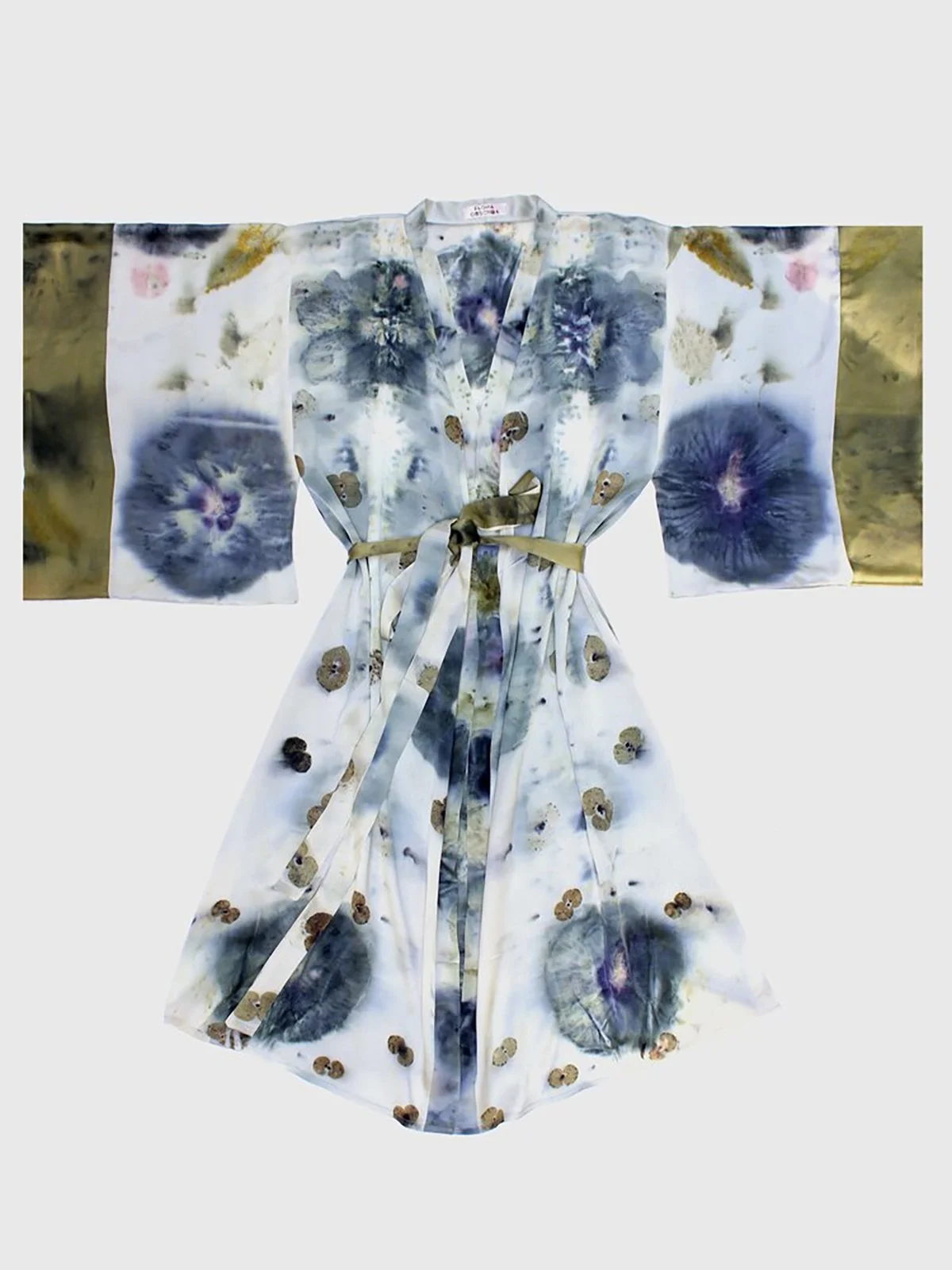
Seven Unexpected Flowers That Print Like a Dream
Explore the alchemy of botanical printing: the unexpected blooms that leave pigment, poetry, and memory on silk.
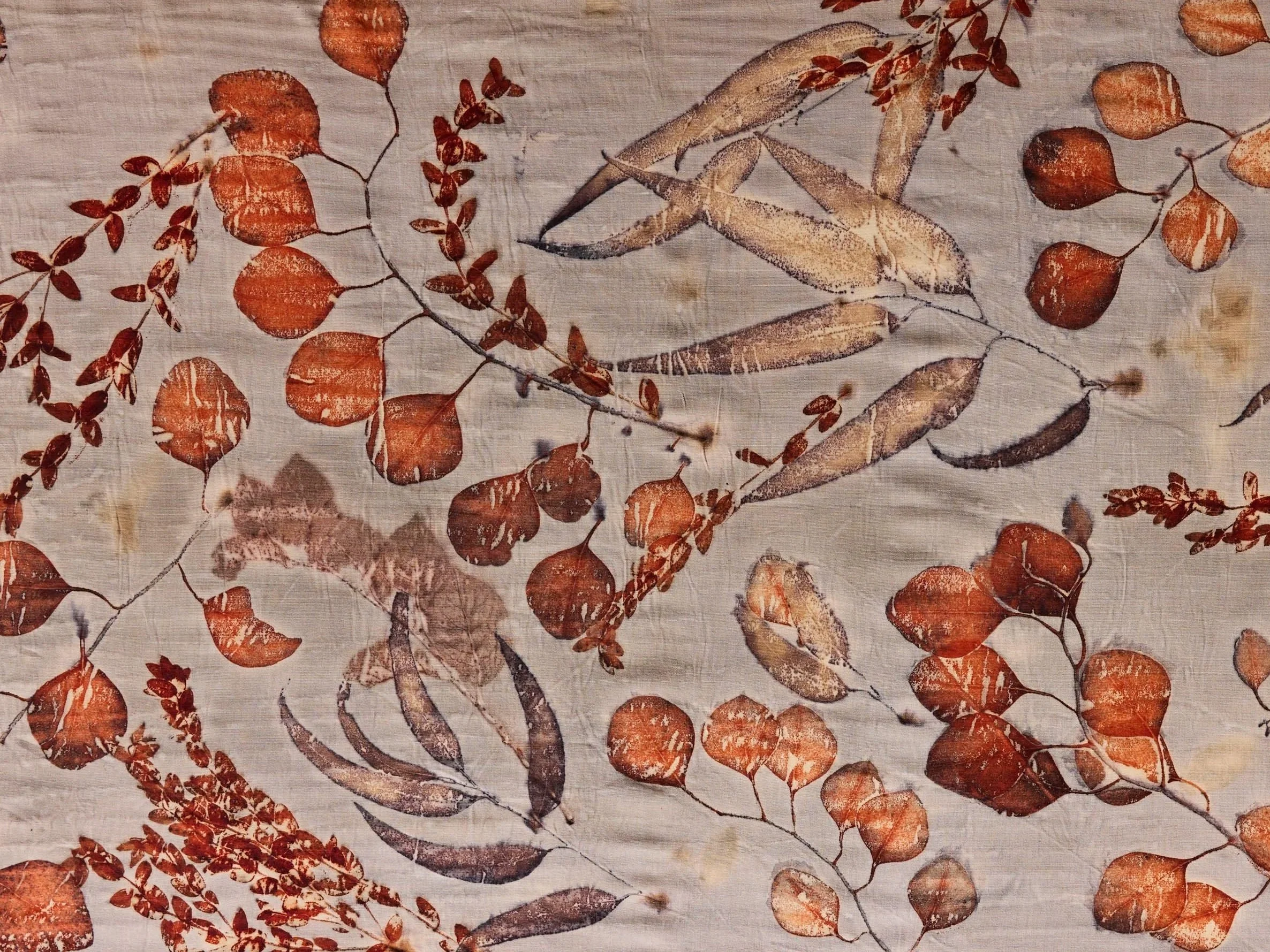
Printing Red with Eucalyptus Leaves
Eucalyptus leaves hold a rare kind of magic — when steamed into silk and wool, they release shades of rust, rose, and deep red. This natural dye process is part science, part alchemy, revealing the hidden colors of the plant world. In this post, I share how to coax those reds from eucalyptus and bring the warmth of nature into cloth.
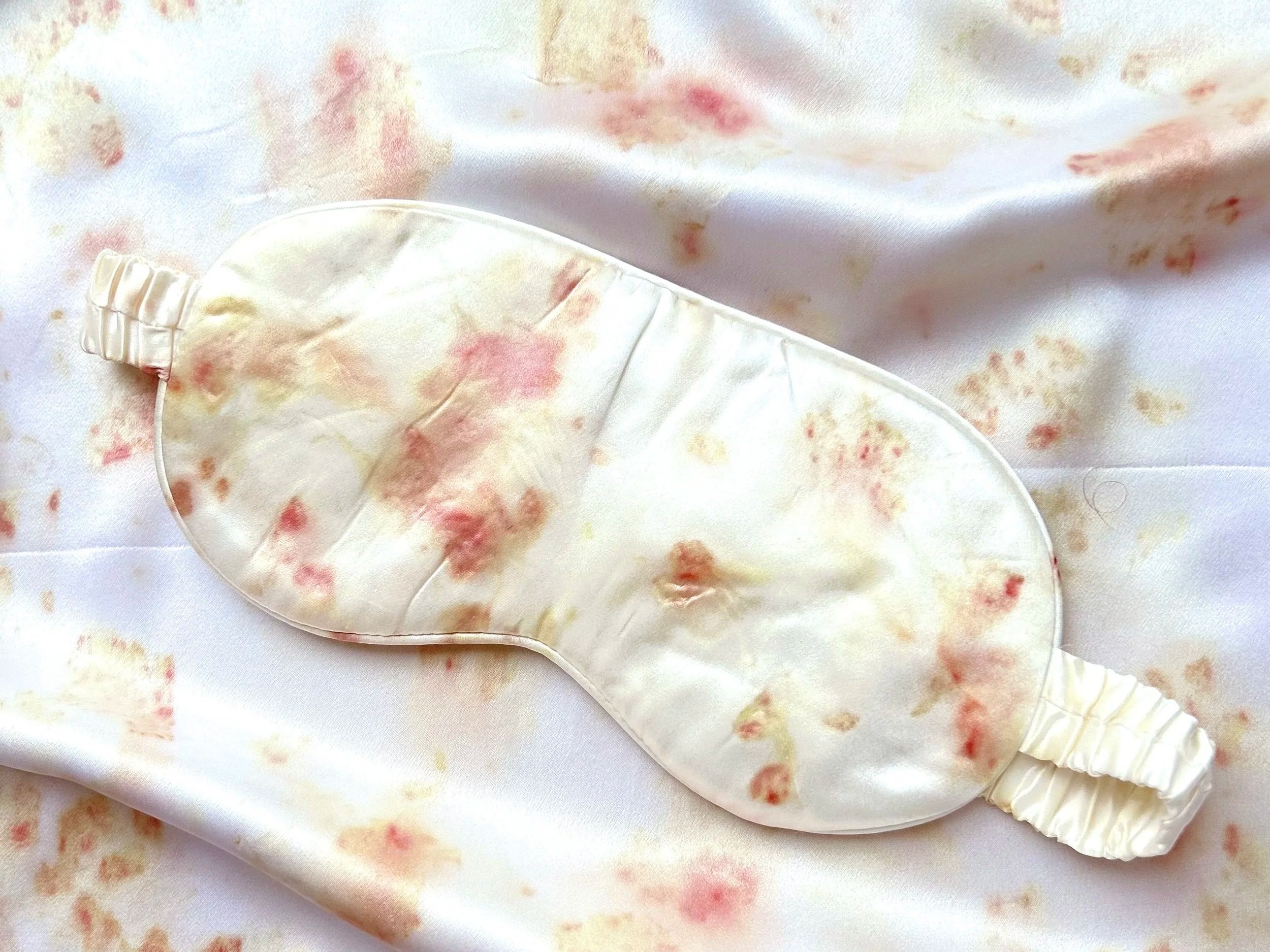
The Beauty of Botanical Sleep
For centuries, silk has been cherished as the most skin-friendly fiber — a natural protein filament spun by silkworms, almost identical to human hair in composition. Its smooth surface minimizes friction, helping to prevent sleep creases and protect delicate hair from breakage.